Expert guide to packing fragile items for UK long distance removals
Fragile packing sounds simple until you are standing in front of a shelf full of glasses, picture frames, lamps, and that one awkward ceramic vase you promised yourself would survive the move. Long-distance removals across the UK put every weak point in your packing to the test: vibration, stacking pressure, sudden braking, and the odd bumpy road that seems to go on forever. This expert guide to packing fragile items for UK long distance removals shows you how to protect breakables properly, avoid common mistakes, and make moving day feel far less nerve-wracking.
Whether you are moving a flat in London to the Midlands, relocating a family home to the North, or organising a bigger house move with home moves support, the same principle applies: pack for distance, not just for lift-and-shift transport. Done well, fragile items arrive intact, unpacking is calmer, and you do not spend the first evening in the new place wondering why half your crockery sounds like a maracas set. Let's make it practical.
Expert summary: long-distance packing is not about using more paper. It is about using the right materials, creating stillness inside each box, and protecting items against both impact and movement. If a fragile item can rattle, it is not finished.
- Main goal: stop movement, absorb shock, and separate breakables from pressure points.
- Best approach: pack item by item, fill gaps fully, and label boxes clearly on multiple sides.
- Key mindset: assume the box will be stacked, tipped, and carried more than once.
Table of Contents
- Why packing fragile items properly matters
- How the packing process works
- Key benefits and practical advantages
- Who this guide is for
- Step-by-step packing guidance
- Expert tips for better results
- Common mistakes to avoid
- Tools, resources and recommendations
- Law, compliance, standards and best practice
- Options, methods and comparison table
- Case study or real-world example
- Practical checklist
- Conclusion
- Frequently asked questions
Why Expert guide to packing fragile items for UK long distance removals Matters
Fragile items are usually the first things people underestimate. A mug in a kitchen cupboard feels harmless. A box of ten mugs, two plates, a glass lamp shade, and a framed mirror is a different story entirely. Over a long distance, even a well-driven removals van will still expose your belongings to movement, stacking pressure, and temperature changes inside the vehicle. Add in the reality of A-roads, roundabouts, service stops, and the occasional hard brake, and you can see why casual packing often fails.
This matters even more when the items have sentimental value. A chipped saucer is annoying. A family heirloom, hand-painted bowl, or graduation frame is another matter. In our experience, the emotional cost of a breakage often outweighs the replacement cost. That is why careful packing is not a luxury. It is part of moving responsibly.
For many people, fragile packing also affects the whole move timeline. If you are using professional removal services, properly packed boxes are faster to load, safer to stack, and easier to unpack in the right order. That saves time on both sides of the move. Truth be told, a tidy box can make a removal crew's day noticeably easier.
There is also a practical safety angle. Broken glass, loose ceramics, and overloaded boxes are awkward to handle and can create avoidable injuries. The aim is not just to protect the item, but to keep the move smooth for everyone involved.
How Expert guide to packing fragile items for UK long distance removals Works
The process is straightforward, but only if you follow it properly. You choose the right packing materials, prepare each item carefully, wrap it individually, cushion the box so nothing moves, and then label and load it in a way that matches how removals vehicles are actually packed.
Long-distance removals are different from a short hop across town. The load may stay in the vehicle longer, boxes may be stacked more tightly, and the route may include more turns, braking, and road vibration. That means your packing should be built around two threats: impact and movement. If you solve those, you are most of the way there.
Think of it as creating a small protective environment inside each box. The item should not touch the box wall directly, should not knock into another item, and should not have enough space to shift when the vehicle turns. Simple idea, but crucial.
The four packing rules that do the heavy lifting
- Use the right size box. Small to medium boxes are safer for breakables because they are easier to lift and less likely to collapse.
- Wrap everything individually. Never let fragile items rub against each other.
- Fill all gaps. If you can hear movement when the box is gently shaken, it is not ready.
- Load with care. Fragile boxes should sit where they will not be crushed, not on the very bottom of a heavy stack.
There is a reason experienced movers are particular about this. The box is doing more than just holding the item. It is absorbing knocks, preventing pressure points, and keeping weight distributed safely. A box packed lazily may survive the first few minutes. Long distance? Not so much.
Key Benefits and Practical Advantages
Good fragile packing does more than reduce breakages. It improves the whole moving experience in ways people often only notice later.
- Fewer damages: Proper cushioning reduces chips, cracks, and breakage from vibration.
- Faster unpacking: Well-labelled boxes are easier to prioritise in the new home.
- Better stacking: Tightly packed boxes with even weight are safer in the van or truck.
- Lower stress: You are not second-guessing every box once it leaves the property.
- Cleaner coordination: If you are using packing and unpacking services, a consistent method helps the team work faster and more accurately.
Another benefit, often overlooked, is confidence. When the fragile items are handled properly, everything else feels more manageable too. The move stops feeling like a pile of fragile decisions and becomes a sequence of sensible tasks. That matters. Moving day is already noisy enough without unnecessary uncertainty.
What strong fragile packing looks like in real life
A well-packed box feels dense but not overstuffed. The item is centred, cushioned on all sides, and does not shift when lifted. The label is clear. The box closes flat without bulging. And when you set it down, it sounds solid, not hollow and clattery. Small details, yes, but they tell you whether the packing will actually hold up.
Who This Is For and When It Makes Sense
This guide is for anyone moving breakables over a meaningful distance within the UK, but it is especially useful if you are:
- moving from one city or region to another
- packing a family home with mixed breakables and sentimental items
- relocating with a tight schedule and want fewer surprises on arrival
- using a professional removal company but still handling some packing yourself
- moving expensive kitchenware, glassware, collectibles, mirrors, artwork, or electronics
It also makes sense if you are comparing moving options. People often choose between doing everything themselves or mixing DIY packing with help from man and van style support or a larger removal team. Fragile items are often the part where it pays to be selective. You might pack books yourself quite happily. Fine. But if there is a cabinet full of glasses and pottery, that is another story.
If you are moving an office, the same logic applies to monitors, glass desks, presentation equipment, and framed items. In those cases, office removals services can be especially helpful because they understand how to separate fragile tech from general office furniture. A cracked monitor on day one is a dreadful way to start a new workspace.
Step-by-Step Guidance
Here is the part most readers want: what to do, in order, without fluff.
1. Gather proper materials before you start
Do not begin packing fragile items with a random pile of supermarket boxes and crossed fingers. You need boxes in sensible sizes, strong tape, wrapping materials, and labels. Use clean, dry boxes with no soft spots or damaged corners. For heavier fragile items, smaller boxes are usually safer.
2. Sort items by fragility and shape
Group things into similar types: glassware, ceramics, framed pieces, lamps, mirrors, and electronics. This helps you choose the right protection for each group. A wine glass needs different handling from a picture frame. Obvious, but people still mix them, and then wonder why the box feels unstable.
3. Wrap each item individually
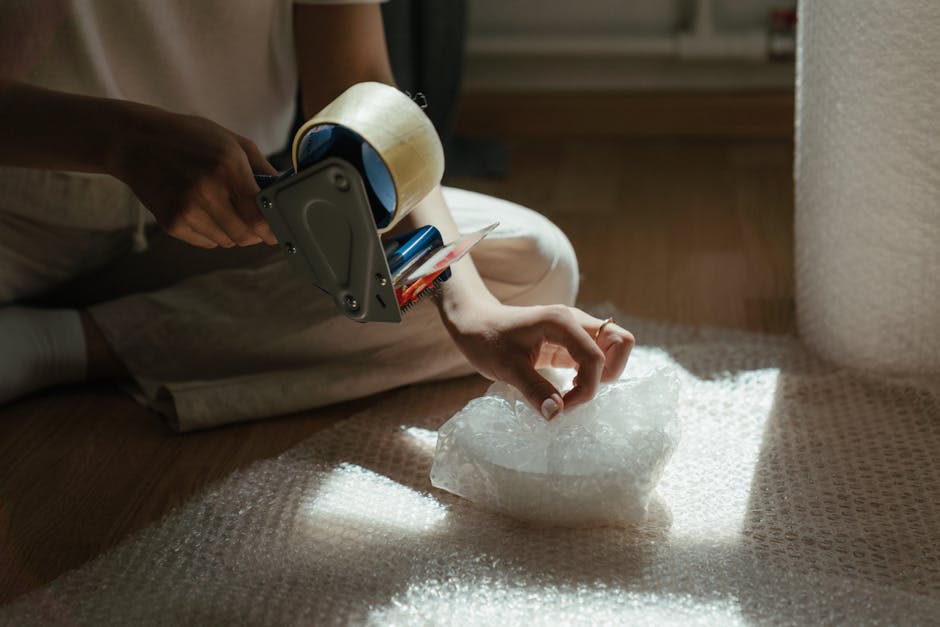
Use packing paper, bubble wrap, or a soft wrap layer depending on the item. Start with corners and thin edges first. For plates, wrap each one separately and stack vertically if possible. For glasses, protect the stem and rim carefully. For bowls and mugs, stuff the inside lightly if the shape allows it, then wrap the outside.
Do not let bare surfaces touch. Not even a little. The sound of two glasses clinking in a box may be tiny, but it is the sound of trouble later.
4. Build a cushion at the base of the box
Place a thick layer of soft packing material at the bottom before inserting anything. This gives the box shock absorption from below, which matters more than people think because boxes are repeatedly put down on floors, trolleys, and van decks.
5. Pack tightly, but never cram
You want no movement, but you do not want pressure points. Fill dead space with crumpled paper, foam, or other cushioning so the items stay still. If a box is packed too loosely, contents shift. If it is packed too tightly, the sides can bow or the items can press against one another. The balance matters.
6. Use dividers for glassware and delicate shapes
Dividers are brilliant for glasses, bottles, and similar items. They create little protected pockets inside the box, which makes movement less likely. They are particularly handy if you have a lot of similar items and want a more organised, efficient pack. Slightly nerdy, maybe, but very effective.
7. Seal and label every box clearly
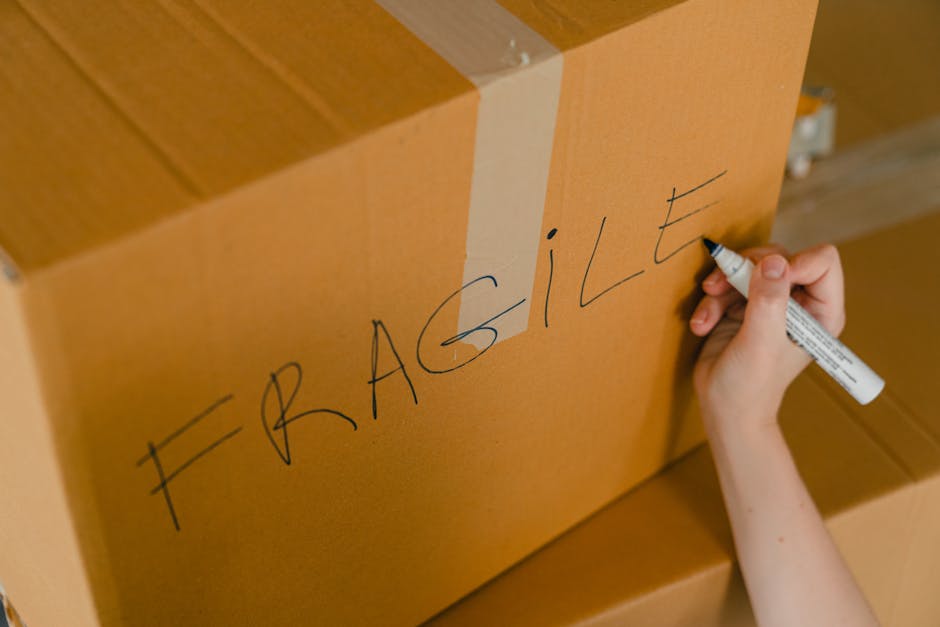
Use strong tape along all seams. Label the top and at least one side with the contents and the word Fragile. If you know which room it should go to, add that too. Labels like "Kitchen - glasses" or "Living room - frames" are far more useful than "miscellaneous". Nobody wants to open miscellaneous first.
8. Keep the heaviest fragile items at the bottom of your packing plan
Heavier items such as stoneware or thick serving dishes should be packed low and loaded carefully. Lighter, more delicate items sit above or in separate boxes. This is where a sensible loading order matters during the move itself.
9. Load fragile boxes last and unload them first
Where possible, fragile boxes should be placed in the vehicle after heavier furniture is already in position, but before loose items are squeezed into gaps. Then, at the destination, they should be unloaded early so they are not trapped under everything else. This small bit of planning prevents a lot of grief.
Expert Tips for Better Results
A few practical habits make a bigger difference than people expect.
- Double-box very valuable items. Put the wrapped item in a smaller box, cushion it, then place that box inside a larger one with more padding around it.
- Reinforce box corners. Corners fail first under load, so a bit of extra tape helps.
- Photograph valuables before packing. This helps you remember condition and contents. It is also reassuring if something has a pre-existing mark.
- Don't overfill one box to "save space". That usually ends badly and makes lifting awkward.
- Use towels carefully. They are handy for padding, but not as a substitute for proper wrapping around sharp or glass edges.
A small aside: if you can hear a box "talking" when you move it, it is probably not packed right. That little internal shuffle is the enemy. Silence is what you want.
For larger or more awkward moves, it can also help to coordinate your packing with the vehicle type. A suitable moving van or moving truck gives you better loading options, but only if the boxes are packed in a way that allows stable stacking. Good packing and good transport work together. One without the other is only half a job.
Common Mistakes to Avoid
Most fragile damage comes from predictable mistakes. The good news is that they are easy to avoid once you know them.
Using large boxes for heavy breakables
Large boxes get too heavy too quickly. Then people lift them awkwardly, the base strains, and the contents shift. Small or medium boxes are usually the better call for breakables.
Leaving empty space inside the box
If items can move, they will move. Even a little gap can cause enough motion over distance to chip a rim or crack a frame.
Packing mixed items together without separation
Glassware with ceramics. Plates with lampshades. Frames with ornaments. It all sounds efficient until a hard corner meets a soft surface and the damage is done.
Ignoring weight distribution
Boxes should feel balanced. If one side is heavier, the box becomes unstable in transit and awkward to carry. This is especially relevant for long-distance moves where the load sits in the van longer.
Forgetting to label clearly
Unlabelled fragile boxes get treated like regular boxes. That is nobody's fault, really. It is just how busy move day works. Clear labels prevent mistakes before they happen.
Relying on old, weakened boxes
Reused boxes are fine if they are still strong. But if the corners are soft, the tape residue is everywhere, or the bottom flexes, retire it. Do not be sentimental about cardboard. That is one habit you can safely drop.
Tools, Resources and Recommendations
You do not need specialist equipment for every item, but a few basics make the job far easier.
| Tool or material | Best use | Why it helps |
|---|---|---|
| Small and medium double-wall boxes | Glassware, dishes, ornaments | Stronger structure and easier handling |
| Packing paper | Wrapping plates, cups, small decor | Flexible cushioning without bulk |
| Bubble wrap | Fragile edges, delicate surfaces, electronics | Excellent shock absorption |
| Cardboard dividers | Glasses and bottles | Prevents contact between items |
| Strong packing tape | Sealing all box seams | Helps boxes stay closed under load |
| Permanent marker and labels | Marking contents and room destination | Speeds up unloading and unpacking |
For people who would rather not manage packing themselves, a professional team can be a better fit. If you want help with the packing stage specifically, packing and unpacking services can save time and reduce the chance of an avoidable mistake. That is particularly useful for larger family homes, busy work schedules, or anyone who simply has too much else on.
If you are cost-checking the move as a whole, it is worth looking at pricing and quotes early rather than leaving it to the last minute. Packing choices can influence labour time and overall planning, so a quick conversation up front often pays off.
Law, Compliance, Standards, or Best Practice
For most households, fragile packing is not heavily regulated in the way food transport or hazardous goods might be. Still, there are important standards of best practice in the removals industry, and they matter for safety, insurance, and peace of mind.
First, if you are hiring a removals provider, check that the company is clear about handling, liability, and insurance. It is sensible to review their insurance and safety information so you understand what is covered and what responsibilities sit with you as the customer. This is not about being suspicious. It is about being informed.
Second, packing should be done in a way that allows safe manual handling. Boxes that are too heavy, badly sealed, or awkwardly shaped increase the risk of injury. Good practice in the UK removals trade generally favours secure packaging, sensible weight limits, and clear labelling for fragile contents. Fairly basic, but the basics are what protect everyone.
Third, if you are discarding broken packaging or replacing old materials after the move, sensible recycling matters too. Many households try to reuse cartons where practical, and when they are no longer fit for use, sustainable disposal is a good habit. If that matters to you, the company's recycling and sustainability page is worth a look.
Finally, if you are moving as part of a broader service agreement, read the terms and conditions carefully. You want to know what is expected from both sides before moving day arrives and everyone is rushing around with tape on their fingers.
Options, Methods, or Comparison Table
There is no single perfect packing method for every fragile item. The right choice depends on value, shape, weight, and how much movement the item is likely to experience during the move.
| Method | Best for | Strengths | Limitations |
|---|---|---|---|
| Single wrap + padding | Everyday crockery, mugs, simple ornaments | Quick and efficient | May not be enough for highly delicate items |
| Divider box packing | Glasses, bottles, narrow fragile items | Prevents contact and keeps shape | Needs the right box setup |
| Double boxing | Valuables, special frames, sensitive electronics | Excellent protection against impact | Takes more materials and time |
| Custom cushioning | Odd-shaped or high-value pieces | Tailored support, strong protection | Can be slower to prepare |
For most households, a mixed approach works best. Everyday fragile items can use standard wrapping and padding. High-value or very awkward pieces deserve extra care. That balance keeps things practical without turning packing into a full-time project.
If you are weighing service options for a larger move, you may also find it helpful to compare broader support such as house removals and house movers. The key is to match the level of support to the value and volume of what you are moving. Not everything needs the same level of intervention. Some things really do.
Case Study or Real-World Example
A family moving from Surrey to the North West had three boxes of glassware, a set of framed prints, and a few ceramic pieces collected over years rather than bought all at once, which tends to be the pattern. They initially packed the glassware in two large boxes because it looked simpler. The problem was obvious once the boxes were lifted: too much movement, too much weight, and not enough structure.
They repacked into smaller boxes, added dividers for the glasses, used crumpled paper to fill the gaps, and separated the prints into a flat, reinforced box. They also labelled the most delicate items clearly and kept those boxes aside for last loading and first unloading. The result was calm rather than dramatic. No clattering. No crushed corners. Just a steady, sensible move.
What changed? Not the number of items, and not even the van journey itself. What changed was the packing logic. That is usually the pattern in real moves: better packing solves a problem before it becomes visible.
There was one slightly awkward vase in the mix too. It looked innocent enough, but it had a thin neck and a heavy base. The kind of thing that invites trouble if you get lazy. Wrapped carefully, boxed alone, and padded well, it arrived fine. Sometimes the least impressive-looking item is the one that causes the most anxiety. Funny old thing, moving.
Practical Checklist
Use this checklist before the boxes go near the vehicle.
- Choose strong, clean boxes in suitable sizes
- Inspect each box for weak corners or soft bases
- Wrap every fragile item individually
- Use cushioning material at the bottom and sides
- Fill all empty spaces so nothing rattles
- Use dividers for glasses or similarly shaped items
- Do not mix heavy and delicate items without separation
- Seal boxes with strong tape across all seams
- Label each box on the top and side
- Mark boxes as fragile and note the room destination
- Keep valuables or irreplaceable pieces separate for extra care
- Load fragile boxes carefully and unload them early
Quick reality check: if you pick up a box and immediately think "that feels a bit odd," it probably is. Open it and adjust it. Better now than after the van has left.
Conclusion
Packing fragile items for a long-distance move is not complicated, but it does demand patience and a bit of discipline. The reward is huge: fewer breakages, less stress, safer handling, and a much smoother unpacking day. The most effective approach is simple-wrap well, cushion properly, keep items from moving, and label everything clearly.
If you are managing a full house move, it can also be sensible to lean on experienced help for the parts that matter most. Fragile packing is one of those areas where a calm, methodical approach pays off immediately. And once it is done properly, you feel it. There is a small sense of relief when the last delicate box is sealed and sitting neatly by the door.
Get a free quote today and see how much you can save.
Moving is never perfectly tidy, but with the right packing habits, it can be a lot more manageable than people expect. One careful box at a time, and you are there.
Frequently Asked Questions
What is the best way to pack fragile items for a long-distance move?
The best method is to wrap each item individually, use strong small or medium boxes, fill all gaps with cushioning, and label the box clearly. The main aim is to stop movement inside the box.
Should I use bubble wrap or packing paper for fragile items?
Both can work. Packing paper is great for wrapping and filling spaces, while bubble wrap is better for delicate surfaces, corners, and higher-value items. Many people use a mix of the two.
Can I pack glasses and plates in the same box?
You can, but it is usually safer to separate them with dividers or use different boxes. Plates and glasses have different shapes and pressure points, so keeping them apart often reduces breakage.
How heavy should a box of fragile items be?
Heavy enough to feel stable, but not so heavy that it becomes awkward to lift. Small and medium boxes are usually better because they are easier to carry and less likely to fail under load.
Do fragile boxes need to be labelled on the sides?
Yes. Labels on the top and at least one side make them easier to identify during loading, stacking, and unpacking. A clear fragile label is useful, but room labels help even more.
Is double boxing worth it for long-distance removals?
For valuable, delicate, or sentimental items, yes, it often is. Double boxing gives an extra buffer against impact and movement, which is especially useful over longer journeys.
What should I pack separately and take with me in the car?
Very valuable, irreplaceable, or extremely delicate items are often best kept separate if you can safely transport them yourself. That can include documents, small heirlooms, or highly sensitive items.
How do I stop fragile items from rattling in the box?
Fill every gap with paper, foam, or soft cushioning so the contents are held firmly in place. If you can hear movement when you gently shake the box, add more padding.
Do removal companies help with fragile packing?
Many do, either as part of a broader service or through dedicated packing and unpacking services. It is worth checking what support is available before move day.
What should I do if I have no original packaging for electronics?
Use anti-static or soft protective wrapping if appropriate, then place the item in a well-cushioned box with no movement. For expensive electronics, extra padding and careful handling are especially important.
How early should I start packing fragile items before a move?
Ideally earlier than you think. Start with items you use less often and leave everyday essentials until last. That gives you time to repack anything that feels loose or unsafe.
Is it better to use a removal company or do fragile packing myself?
If you are comfortable packing carefully, DIY can work for some items. But if you have a lot of breakables, expensive pieces, or a larger move, professional help can reduce risk and save time.