Home Moves in Denmark
Reliable moving support for households and businesses across Denmark

If you are planning home moves in Denmark, you are probably looking for more than just a van and a few hands. You want a moving service that understands local streets, apartment buildings, ferry routes, stairwells, parking restrictions, and the practical realities of moving in a country where city centres, suburbs, island communities, and rural areas can all present different challenges. A smooth relocation depends on good preparation, clear communication, and a team that knows how to work efficiently without adding stress to an already busy day.
Whether you are moving from a Copenhagen apartment, a townhouse in Aarhus, a family home in Odense, or a larger property in North Jutland, the right moving support can make the process feel much more manageable. Local moving services in Denmark are useful for private households, landlords, students, offices, and smaller commercial customers who need careful handling, punctual arrivals, and practical solutions tailored to the property type and the access conditions.
This page is designed to help you understand what a professional house move service can include, what affects the planning, how to prepare, and when it makes sense to request a quote. If you are comparing options for a move in Denmark, or you simply want to know what to expect on moving day, the sections below will help you make a confident decision. Contact us today to discuss your needs and request a free quote.
Why local knowledge matters for moving day
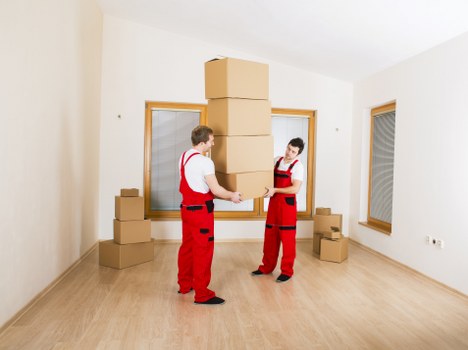
Moving in Denmark can look straightforward on paper, but the details often matter more than people expect. In older neighbourhoods, narrow entrances, steep staircases, and limited kerbside access can affect loading times. In newer apartment blocks, lifts may be shared, move-in time slots may be restricted, and building management may require advance notice. A local team that understands these conditions can plan more accurately and work more efficiently once the move begins.
In many Danish towns and cities, parking rules can also shape the day. A moving vehicle may need space close to the entrance, especially if there are heavy items such as wardrobes, beds, washing machines, sofas, or office furniture. The same is true in terraced housing areas, basement flats, and properties with shared courtyards. Local movers are often better placed to anticipate these issues and suggest the best time window, vehicle size, and loading method for the address.
Another advantage of choosing a local service is familiarity with the rhythm of the area. In busy urban locations like Copenhagen, Frederiksberg, Aarhus, Aalborg, and Roskilde, traffic, delivery windows, and street access can all influence timing. In smaller towns and coastal areas, route planning may need to account for bridges, distance, or seasonal access patterns. That local awareness can save time, reduce pressure, and help protect your belongings.
Who this service is for
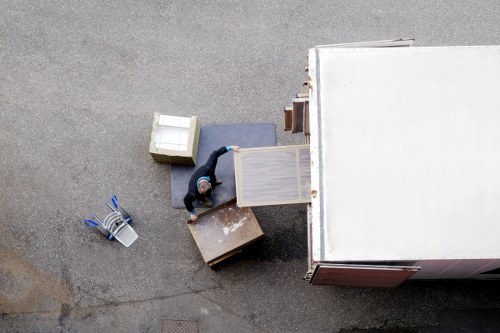
Home moves in Denmark are rarely identical, which is why good moving support is flexible. Some customers need help with a full household relocation from one city to another. Others only want assistance with the heavy lifting, transport, or loading and unloading. Some people are moving into their first apartment and need a straightforward, budget-conscious solution, while others are relocating an entire family home with furniture, boxes, bicycles, outdoor equipment, and fragile items.
Residential customers often include:
- Families moving between houses, townhouses, or apartments
- Students moving into or out of shared accommodation
- Couples relocating to a new neighbourhood or municipality
- People downsizing from larger homes to smaller properties
- Tenants moving from rental flats with shared stair access
- Homeowners needing careful handling of furniture and breakables
Commercial customers also use moving services when they need to relocate small offices, home-based businesses, studios, workshops, or stock rooms. In these cases, the focus is often on planning, speed, and minimising disruption so work can resume quickly. A dependable team can handle both private and commercial moving needs without turning the process into a major interruption.
What is included in a professional house move

A proper moving service should be clear about what is included, so you know exactly what support you are getting. While every move is different, many customers in Denmark request a combination of packing help, loading, transport, unloading, and furniture placement. Some also need disassembly and reassembly of larger furniture to make the move safer and quicker.
Typical services may include:
- Pre-move planning based on property type, contents, and access
- Careful loading of boxes, furniture, and household items
- Transport in suitable moving vehicles
- Unloading at the new address
- Placement of items in designated rooms
- Basic handling of bulky items and awkward pieces
- Help with stairs, lifts, courtyards, and tight entrances
- Optional packing assistance or unpacking support
For many customers, the most valuable part of the service is not only the transport itself, but the ability to reduce physical strain and avoid damage. Heavy lifting can be difficult in multi-storey buildings, especially where the entrance is narrow or where parking is far from the door. A strong, organised moving plan helps ensure items are carried safely and that the day runs in a calm, methodical way.
Book your service now if you want a practical moving solution built around your home, your schedule, and the realities of your address.
How the moving process usually works

Most home moves in Denmark follow a sequence that helps everything stay under control from the first enquiry to the final box placed in the new home. The exact process varies, but a structured approach is usually the best way to avoid last-minute surprises.
Step 1: Share the details
Start by explaining what needs to be moved, where you are moving from, and where you are moving to. It is helpful to mention the number of rooms, whether the properties have lifts, whether there are stairs, and whether large furniture needs to be taken apart. This information helps the team estimate the time, vehicle size, and number of movers required.
Step 2: Review the access conditions
Access is often one of the most important factors. A ground-floor home with easy parking is very different from a fourth-floor apartment with a small lift and limited street space. The more accurate the access information, the better the planning will be. Local movers often ask about parking distance, entrance width, building restrictions, and any heavy items that need special handling.
Step 3: Confirm the moving plan
Once the scope is clear, the moving plan can be arranged. This may include a preferred arrival time, the order in which items should be loaded, and whether fragile or high-value belongings need extra attention. Clear planning is especially useful if you are coordinating key handover times, children’s routines, work schedules, or building access windows.
Property types and local access challenges
Denmark has a broad mix of housing types, and each one creates different moving requirements. In central city areas, compact apartments and older buildings often mean tight stairways, controlled lift access, and limited parking. In suburban neighbourhoods, homes may have larger contents but longer distances between the vehicle and the door. In rural areas and smaller towns, the challenge may be the distance itself, narrow roads, or limited access for larger vehicles.
Common property situations include:
- Apartment moves with stairs, lifts, and shared entrances
- Townhouse relocations where access to the front or rear of the property can be limited
- Detached houses with full family contents and garden equipment
- Basement or attic storage rooms that can be awkward to reach
- New-build developments with specific moving rules or time slots
- Holiday homes and coastal properties where route and loading access may differ from urban areas
These local details are one reason why many people prefer a team that works regularly with home moving services in Denmark. A mover who has dealt with similar situations before is usually better prepared to protect walls, doors, floors, and furniture during the process.
Why this matters for your belongings
When access is awkward, even simple items can become difficult to move. Sofas may need turning, mattresses may have to be carried through a narrow landing, and appliances may require extra care around steps and corners. A careful approach reduces the risk of scratches, dents, or strain-related delays. For customers, that means fewer worries and a better chance of settling into the new home with less disruption.
Preparation checklist before moving day
Good preparation makes a big difference to any household relocation. Even if you are using professional help, it is still worth spending time on the practical steps that make moving day faster and calmer. The more organised your boxes and rooms are, the easier it becomes for movers to load and unload in the right order.
Here is a useful checklist for home moves in Denmark:
- Confirm the date, access times, and address details
- Reserve parking where possible or check local rules in advance
- Pack fragile items separately and label them clearly
- Empty drawers if furniture needs to be carried safely
- Disconnect appliances if required and arrange any needed support
- Keep essentials such as keys, documents, chargers, and medications with you
- Set aside items you do not want loaded by mistake
- Protect floors, corners, and walls if the building requires extra care
- Measure larger furniture and doorways if access is tight
- Let the movers know about any especially heavy, valuable, or awkward items
Simple organisation can save a surprising amount of time. It also helps ensure that the most important items are easy to find when you arrive at the new property. If you are moving with children, pets, or a busy work schedule, having a clear list can make the whole day feel much more manageable.
How to pack for a smoother move
Practical packing advice for Danish households
Packing is one of the most time-consuming parts of moving, but it does not need to be chaotic. Start early, pack room by room, and keep similar items together. Boxes should be strong enough for the contents, and heavier items should be placed in smaller boxes so they remain manageable. This is especially useful if the move involves stairs or a longer walk from the vehicle to the entrance.
It helps to mark boxes clearly with the room name and a short note about the contents. For example, “Kitchen - glassware” or “Bedroom - winter clothing.” That simple step makes unloading easier and helps you find the essentials quickly once you arrive. If you are moving within Denmark during winter, it is also sensible to keep coats, shoes, and weatherproof items accessible, since conditions can change quickly.
Some customers prefer professional packing assistance for fragile or valuable items. This can be a good idea for glass, artwork, electronics, ceramics, or heirlooms that need extra care. For a family home move, it may also save time to ask for help with the most difficult rooms, while you pack the rest yourself. That balance can reduce cost pressure while still improving protection and convenience.
Useful packing priorities
- Fragile items and special valuables
- Daily essentials for the first 24 hours
- Important documents and keys
- Kid and pet necessities
- Cleaning supplies for both properties
Pricing factors for home moves in Denmark
Moving costs are usually influenced by several practical factors rather than one simple flat rate. That is why a quote should reflect the real details of the move. The most common factors include the size of the property, the amount of furniture and boxes, the distance between addresses, and the time needed for loading and unloading.
Other elements that may affect the quote include:
- Number of movers required
- Need for stairs or long carrying distances
- Presence of lifts or lack of lift access
- Disassembly and reassembly of furniture
- Special handling for fragile or bulky items
- Parking limitations and access challenges
- Intercity or long-distance transport across Denmark
- Timing requirements, such as weekends or specific move windows
For this reason, it is best to request a tailored estimate based on your actual circumstances. A reliable moving company will ask relevant questions before quoting so you get a realistic picture of the work involved. That is especially important for larger family homes, relocations from top-floor apartments, or jobs that involve moving between different parts of the country.
Why choose a local company for your move
There are many reasons local customers prefer a nearby moving team when arranging a move in Denmark. A local company is often better positioned to respond quickly, plan around regional traffic conditions, and understand the kinds of buildings common in the area. That can lead to a more efficient and less stressful experience overall.
Benefits often include:
- Better understanding of neighbourhood access and parking rules
- More practical scheduling for local travel times
- Experience with Danish housing layouts and building requirements
- Clearer communication about what is needed before moving day
- More suitable vehicle planning for local road conditions
- Flexible support for short-notice or small-to-medium relocations
Local knowledge is especially valuable when moving in denser urban areas, older residential streets, or places where access can change quickly depending on the time of day. It is also useful for customers moving between cities such as Copenhagen, Aalborg, Odense, Esbjerg, Vejle, Randers, Horsens, and nearby towns. Even when the distance is short, the logistics can still require careful thought.
Areas covered across Denmark
Home moves in Denmark can involve everything from inner-city apartments to larger suburban homes and properties in smaller municipalities. A local moving team can often support moves across a broad service area, including city centres, surrounding districts, and nearby regional routes. The exact coverage depends on the move, but many customers request help with both local and longer-distance relocations within the country.
Examples of common service areas include:
- Copenhagen and surrounding districts
- Frederiksberg, Amager, and North Zealand
- Aarhus and East Jutland
- Odense and the island of Funen
- Aalborg and North Jutland
- Esbjerg, Kolding, Vejle, and surrounding areas
- Roskilde, Holbæk, and other Zealand locations
For customers outside the largest cities, local moving support can still be very practical. Rural properties may have longer driveways, farm-style access, or outbuildings with additional items to move. Coastal and island locations may require route planning that takes ferries or bridge travel into account. In all of these situations, a team familiar with house moves in Denmark can offer more realistic planning than a one-size-fits-all approach.
Commercial moves and relocations for small businesses
Although many people think first about private homes, moving services are also valuable for small business customers. A home office, studio, consulting space, workshop, or small retail stock room can all need careful relocation. In Denmark, where many people operate hybrid or home-based businesses, moving work equipment safely and efficiently is often just as important as moving household furniture.
Commercial customers may need assistance with:
- Desks, chairs, and filing storage
- IT equipment and office accessories
- Display materials or stock items
- Workbenches and tools
- Archive boxes and documents
- Small appliances and specialist items
For these projects, timing matters. Some businesses need to move outside regular working hours or within a tight window to keep disruption low. A structured plan, clear inventory, and a practical loading sequence help make the transition smoother. If your relocation combines a home move with work equipment, it can be useful to mention that early so the team can plan accordingly.
What makes a moving day run smoothly
Details that often make the biggest difference
Even a well-organised relocation can run into challenges if small details are overlooked. The best moving days usually share a few common features: the customer is ready when the team arrives, boxes are packed and labelled, access is clear, and everyone knows what should go first and what should stay last. This level of preparation does not need to be complicated, but it does need to be deliberate.
It also helps to keep essential items separate from the main load. Think about keys, chargers, medications, bank cards, a kettle, toiletries, important documents, and a few basic kitchen items. These are the things you may want immediately after arrival, especially if you are moving with children or arriving late in the day. Having them close at hand reduces pressure and helps the first evening feel more settled.
If you are moving into a property that needs cleaning, key handover, or final inspection, build a little extra time into your plan. That buffer can prevent unnecessary rushing and allow the move to feel controlled rather than frantic. For many local customers, this is one of the best reasons to use a professional team instead of trying to manage every step alone.
Frequently asked questions
Do I need to pack everything myself?
Not always. Many customers pack their own items and ask for help with transport and lifting. Others prefer support with fragile items or the entire packing process. It depends on your budget, time, and how much assistance you want on the day.
Can you help with apartments that have stairs or no lift?
Yes, many home moves in Denmark involve stairs, narrow corridors, or older buildings without lift access. It is important to mention this early so the team can plan the right level of support.
What if I am moving from one city to another?
Intercity moves are common. Distance, access, and timing are the main things to consider. Let the movers know both addresses and what kind of property you are moving between so they can plan the route and workload.
Can furniture be dismantled and reassembled?
In many cases, yes. Larger furniture may need to be taken apart to move safely through doorways and stairwells. If you know that beds, wardrobes, tables, or shelving will need this, say so when arranging the service.
How early should I book?
As early as possible is usually best, especially if you are moving at the start or end of the month, during summer, or on a preferred weekend. Early booking gives more flexibility with scheduling and planning.
Book a moving service that fits your home
When you are arranging home moves in Denmark, the right service should feel practical, reliable, and adapted to your property rather than generic or rushed. From compact city flats to larger family houses and small business relocations, a local team can help you move with less strain and better control. The most important thing is to choose a service that asks the right questions, understands the local area, and gives you a clear plan before moving day arrives.
If you are preparing for a move and want to keep things simple, now is a good time to request a free quote. Share the details of your home, the access conditions, and the kind of help you need, and you can get a more accurate picture of what is involved. Whether you need full moving support or just help with the heavy lifting, the right local service can make a real difference.
Contact us today to discuss your move, compare options, and choose a solution that works for your schedule and your property. Book your service now and take the first step toward a smoother move in Denmark.