Movers in Denmark: Local Moving Help for Homes, Apartments, and Businesses
Moving in Denmark Made Easier

If you are looking for Movers in Denmark, you are probably planning a move that needs to feel organised, calm, and well handled. A move can be exciting, but it can also be time-consuming and physically demanding, especially when you are dealing with narrow staircases, compact city parking, ferry timetables, apartment blocks, or busy business premises. A local moving team can take a lot of that pressure away and help you settle into your new place with less disruption.
Whether you are relocating a family home, shifting from one apartment to another, moving office equipment, or arranging help for a larger commercial move, the right moving service should fit the property, the schedule, and the practical realities of life in Denmark. That means thinking about access, lift availability, packing needs, unloading space, and the simple question of how to move everything safely without wasting time or energy.
Many customers search for a mover because they need more than transport. They want planning, lifting support, careful handling, and a team that understands local conditions. In Denmark, that can include town centres with limited parking, residential streets with tight access, modern apartments with shared entrances, older buildings with stairs, and business areas where timing matters. A skilled moving team is valuable precisely because it can adapt to those details.
Why Local Movers Matter in Denmark
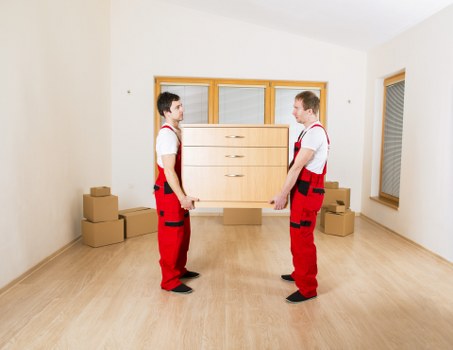
Choosing a local company for moving services in Denmark often makes a practical difference from the first conversation. Local movers know the kinds of access issues that commonly appear in Danish towns and cities. They understand that moving day is not just about load-in and load-out; it is about making sure everything happens at the right time and in the right way for the property and the surrounding area.
Local knowledge is especially useful when the move involves areas such as Copenhagen, Aarhus, Odense, Aalborg, Esbjerg, Roskilde, Kolding, Vejle, Randers, or similar urban and suburban locations. Apartment moving in a dense city centre can be very different from moving from a house in a quieter residential district, and each situation needs its own approach. A local moving service can plan for the realities of the location instead of treating every move the same.
Customers also benefit from choosing movers who are familiar with the common residential property types across Denmark. These can include upper-floor flats, terraced homes, detached houses, student housing, retirement apartments, office suites, retail premises, storage units, and mixed-use buildings. Each one brings different handling needs, and a good moving team should work efficiently while protecting furniture, floors, walls, and shared areas.
What a Moving Service Can Include

A professional moving service is not just about carrying boxes from one address to another. Many customers want support that starts before moving day and continues until the last item is placed in the new property. Depending on what you need, a moving company may offer a combination of transport, loading, unloading, packing assistance, assembly support, and help with awkward items.
Typical services for movers in Denmark may include:
- Home and apartment removals
- Office and commercial relocations
- Furniture dismantling and reassembly
- Packing support and protective wrapping
- Careful lifting of heavy or fragile items
- Transport of boxes, furniture, and equipment
- Loading and unloading assistance
- Short- or long-term storage coordination if needed
Not every move requires every service. Some people only want help with transport and lifting, while others want a more hands-on team that can manage the full process from start to finish. The most useful moving companies make the service flexible so that it fits the customer rather than forcing the customer into a fixed package.
Home Moves for Houses, Flats, and Family Properties

Residential moves are often the most personal, because they involve the things that make a home feel familiar. Sofas, beds, dining tables, wardrobes, children’s furniture, books, kitchen items, and personal belongings all need to be treated with care. If you are moving within Denmark, you may also need help working around weather, stair access, and limited parking, especially if you live in a city apartment or a row house with limited outside space.
A strong residential moving service should be prepared for properties of many sizes. A one-bedroom apartment in central Copenhagen is very different from a larger family home in the suburbs or a house in a smaller town. The packing volume, the number of trips, and the difficulty of access can all change the way the move is planned. That is why it helps to work with movers who ask practical questions before the move rather than assuming everything will be simple.
Many homeowners and tenants also appreciate support with fragile items. Mirrors, artwork, glass tables, electronics, and heirlooms need more than basic handling. Good movers use sensible wrapping and carrying methods to reduce the risk of damage and help ensure the move stays on track. If you want to make your home move smoother, the best time to request help is before the boxes start piling up.
Apartment Moving and Access Challenges

Apartment moves in Denmark often come with very specific access issues. Shared entrances, lift restrictions, stairwells, narrow corridors, and parking limits can all affect how long the move takes and how much labour is required. Even when the distance between your old and new address is short, the practical challenge of getting furniture in and out can be significant.
That is why apartment moving is one of the areas where local experience really helps. Movers who regularly work in Danish apartment buildings know how important it is to protect common areas, coordinate timing, and avoid unnecessary disruption for neighbours. They also know that some buildings require a careful approach when moving bulky items like sofas, mattresses, desks, wardrobes, or white goods.
If your apartment is on an upper floor, or if there is no convenient loading zone close to the door, a moving team can help assess how the move should be arranged. In some cases, it may be best to break down furniture before transport. In others, extra hands may be needed to carry larger items safely. A reliable mover will consider the property layout and choose the right method instead of trying to force a one-size-fits-all solution.
Business, Office, and Commercial Moves
Commercial customers in Denmark need moving support that keeps interruptions to a minimum. An office relocation, shop move, stock transfer, or equipment move may have to happen around opening hours, staff schedules, delivery windows, and building rules. Good movers understand that the goal is not only to move items safely, but also to help the business get back to normal as quickly as possible.
Office relocations often involve desks, chairs, monitors, filing systems, storage units, meeting furniture, IT equipment, archive boxes, and sometimes sensitive documents or specialist tools. Retail and service businesses may have shelving, display units, product stock, machines, or customer-facing equipment that needs careful handling. Industrial or trade-related moves can involve heavier items and practical loading requirements. In every case, clear planning helps reduce stress and downtime.
For business customers, it can be helpful to request a moving service that allows for staged relocation. That means shifting the most important equipment first and then moving the rest in a planned order. It can also mean planning the move after hours or during less busy periods where possible. A local moving team in Denmark can often adapt to these needs more easily because it understands the pace and layout of local commercial districts.
How the Moving Process Usually Works
Most customers want to know what happens after they request a quote or make an enquiry. While every move is different, a clear process makes things easier to understand and easier to manage. A good moving company should explain the process in plain language so you know what to expect before moving day arrives.
Step 1: Initial enquiry and information gathering
The first step is usually to share the key details of your move. That may include the pickup and delivery locations, the type of property, the number of items, whether there are stairs or lifts, and whether you need packing support or only transport. The more practical information you can give at the start, the easier it is to shape the service correctly.
Step 2: Quote preparation
After the move details are reviewed, you can receive a quote based on the work involved. Pricing can depend on travel distance, volume, manpower, access, time required, and any additional services requested. Since every move is unique, a careful quote is more useful than a quick guess. It should reflect the real work needed without unnecessary extras.
Step 3: Move planning
Once you decide to book, the move should be planned around the practical details. That can include arrival time, parking arrangements, loading access, packing deadlines, and any items that need special care. For apartment or office moves, it is often useful to think about building rules and whether any notice or access coordination is needed.
Step 4: Moving day
On the day itself, the movers should arrive ready to work through the plan efficiently. They may protect larger items, load furniture carefully, manage boxes in an orderly way, and transport everything to the new location. At the destination, items are unloaded and placed where possible, making it easier for you to start settling in.
Step 5: Final placement and wrap-up
Some customers want help putting furniture into the right rooms, while others prefer a simple unload so they can organise items themselves. Either way, the job should end with your belongings delivered safely and the practical part of the move completed with minimal hassle.
What Customers Should Prepare Before Moving Day
Good preparation makes moving easier for everyone. Even if you hire professional movers in Denmark, there are still a few things you can do to save time and reduce stress. Planning ahead also helps the moving team work faster and more safely once they arrive.
Here is a practical preparation checklist:
- Sort belongings and decide what to keep, donate, sell, or discard.
- Pack non-essential items in advance if you are doing your own packing.
- Label boxes clearly by room and content type.
- Empty drawers and remove loose items from furniture where needed.
- Secure fragile items with proper wrapping.
- Reserve parking space or check access options if required.
- Make sure keys, building entry details, and access instructions are ready.
- Disconnect appliances safely if that is part of your plan.
- Keep essentials like documents, chargers, and medicines separate.
- Tell the movers about heavy, delicate, or unusually shaped items in advance.
Underlining the importance of preparation: the more clearly your move is organised, the less likely you are to face delays or confusion on the day. A little advance planning can make a noticeable difference, especially in busy urban areas or buildings with limited access.
Pricing Factors for Movers in Denmark
Many customers want to understand what influences the cost of a move before they request a quote. While exact prices vary from one move to another, there are several common factors that usually affect the final figure. Knowing these helps you compare services more confidently and choose the option that suits your situation.
Typical pricing factors include:
- Distance between addresses: A local move may differ from a longer regional relocation.
- Volume of belongings: More furniture and boxes mean more loading and transport work.
- Access conditions: Stairs, lifts, tight corridors, and parking restrictions can increase labour.
- Property type: Houses, apartments, offices, and commercial units can each require different handling.
- Packing needs: Full packing or fragile-item packing adds time and materials.
- Special items: Large wardrobes, pianos, heavy machinery, or delicate equipment may need extra care.
- Timing: Weekend, evening, or peak-period moves may need more planning.
- Additional services: Dismantling, reassembly, storage, or multiple stops can affect the quote.
The most helpful quotes are clear about what is included and what might change the final total. If a moving company asks for photos, a list of items, or details about access, that is usually a sign they are trying to give you a realistic estimate rather than a rough guess.
Why Choose a Local Moving Company in Denmark
There are real advantages to hiring movers who work locally across Denmark rather than relying on a team that does not know the area well. Local movers are often better prepared for the practical realities that affect time, safety, and coordination. They understand the local road network, common building layouts, and the kinds of issues that can slow a move down.
A local company is also easier to coordinate with when plans change. If your moving date shifts, if your access details are updated, or if you need to adapt the move at short notice, a nearby team is often in a better position to respond. This flexibility can be particularly useful for families, tenants, landlords, and businesses with deadlines.
Local movers can also be a better fit for customers who want a more personal, practical service. Instead of treating the move as a generic transport job, a local team tends to focus on what actually needs to happen at your property. That can mean better planning, safer handling, and a smoother experience overall.
Good reasons to book locally
- Better understanding of Denmark’s residential and commercial property layouts
- More practical awareness of parking and access issues
- Easier scheduling for short-notice moves or date changes
- More relevant support for apartment, office, and house removals
- Closer attention to local customer needs and moving conditions
Areas Covered Across Denmark
Customers often want to know whether a moving service can cover more than one town or district. A local mover in Denmark may support a wide range of areas depending on the job type and distance. That can include large cities, commuter towns, suburban neighbourhoods, and nearby regional locations.
Examples of places where moving support is often needed include central districts, residential suburbs, business parks, and smaller surrounding communities. Moves may happen between city apartments, houses in family-friendly neighbourhoods, office premises in commercial zones, storage facilities, and mixed-use buildings. The exact route matters less than having a team that knows how to handle the conditions on both ends of the move.
If you are planning a move between different parts of Denmark, it is sensible to ask whether the team has experience with your route, property type, and access requirements. That is especially useful if your move includes a combination of urban restrictions and longer transport distances. Contact us today to talk through your move and request a free quote based on your actual needs.
What Makes a Move Go Smoothly
A smooth move is usually the result of good preparation, clear communication, and practical support on the day. Small decisions made early can have a big impact later. For example, knowing where the moving van can park, which items need disassembly, and which boxes contain essential items can prevent confusion and save time.
It also helps when everyone involved knows the plan. If you have family members, flatmates, or office staff helping with the process, it is useful to assign a few simple responsibilities in advance. One person can manage keys and access, another can handle final checks, and another can keep an eye on important documents or valuables. When the move starts, a little structure makes the whole operation feel more controlled.
Professional movers in Denmark can support this process by providing a calm, organised service and responding to changes sensibly. That is particularly valuable when the move involves children, shared buildings, business deadlines, or difficult weather conditions. A move should feel manageable, not chaotic, and the right team helps create that experience.
Special Items and Careful Handling
Not every object in a move can be handled in the same way. Some items are heavy but sturdy, while others are lightweight but fragile. A good moving company understands the difference and uses appropriate methods for each type of item. That may include wrapping, padding, careful lifting, and secure stacking during transport.
Common items that may need extra care include:
- Glass tables and mirrors
- Artwork and framed pieces
- Computers and office electronics
- TVs and entertainment equipment
- Wardrobes, beds, and other bulky furniture
- Kitchen appliances
- Musical instruments
- Archive files or sensitive business materials
If you have an item that is unusually heavy, awkward, or valuable, it is always better to mention it early. That allows the movers to prepare the right equipment and decide how many people may be needed. It also helps reduce the chance of damage to the item, the property, or the people carrying it.
Preparing for Moving Day in Denmark’s Climate and Conditions
Weather and seasonal conditions can play a role in any move. Rain, wind, cold temperatures, and slippery entrances can all affect how quickly items are carried and how carefully floors and hallways need to be protected. Danish moving conditions often reward teams that are prepared for change and can work methodically regardless of the weather.
It is helpful to protect entryways, keep paths clear, and make sure important items are packed securely before moving begins. If you are moving during a busier time of year, you may also need to plan around holiday schedules, weekend access, or building restrictions. A local team can help keep things on track by planning with these realities in mind instead of assuming ideal conditions.
For business customers, weather and timing may be especially important if stock or equipment must remain dry and protected during loading. For households, seasonal moves can be easier when essentials are packed separately and the final cleaning or handover is scheduled with care. These small details often make the difference between a stressful day and a manageable one.
Frequently Asked Questions
How far in advance should I book movers in Denmark?
It is sensible to book as early as possible, especially if you are moving at the end of the month, during a busy season, or on a date that depends on tenancy handover or business operations. Earlier booking gives more flexibility and allows time to plan access and packing properly.
Can movers help with both apartments and houses?
Yes. Most moving services can handle a range of property types, including apartments, terraced homes, detached houses, and shared residential buildings. The main difference is how the move is planned around access, stairs, lifts, and parking.
Do I need to pack everything myself?
Not necessarily. Some customers prefer to pack their own belongings, while others want help with packing or fragile items. It depends on the service you arrange and how much time you have before moving day.
What if I have heavy or awkward furniture?
That is common, and it is one of the main reasons people hire movers. Heavy wardrobes, beds, cabinets, and large sofas can be moved more safely with the right equipment and enough people. Be sure to mention bulky items when you request a quote.
Can movers help with office or business relocation?
Yes. Many moving teams support office, retail, and commercial relocations. These moves often need careful timing and structured planning to reduce downtime, protect equipment, and keep the business running as smoothly as possible.
What should I do if parking is limited at my address?
Let the moving company know in advance. Parking and loading access are important in Denmark, especially in city centres and apartment areas. A mover can help plan the best approach based on the space available.
Is it worth hiring local movers for a short-distance move?
Yes, especially if the property access is difficult or the furniture is heavy. Even a short move can be demanding if there are stairs, limited parking, or a lot of items to carry. Local movers can make short moves much easier and quicker.
Ready to Plan Your Move?
If you are preparing a house move, apartment relocation, office transfer, or commercial move, working with experienced movers in Denmark can save time and reduce stress. A local team can help you think through the practical details, organise the move properly, and handle your belongings with care.
Whether you already know exactly what you need or you are still working out the details, the best next step is simple: request a free quote, share the key information about your property and items, and get the support that fits your situation. If you want a moving service that is practical, reliable, and suited to local conditions, book your service now and make your next move easier from the start.