Office Removals in Denmark
Professional Office Moving Support for Danish Businesses

When a business is planning an office move, the details matter. From the first desk packed to the final chair reassembled in the new location, the process affects your team, your schedule, and your customers. That is why Office Removals in Denmark should be handled by a local team that understands how workplaces operate in cities, suburbs, and business districts across the country.
Whether you are relocating a small startup in Copenhagen, moving a growing agency in Aarhus, or shifting a larger commercial operation in Odense, the goal is the same: reduce downtime, protect equipment, and keep the move organised from start to finish. A well-planned office relocation is not just about transport. It is about timing, coordination, access, packing, dismantling, IT awareness, and making sure your staff can get back to work quickly.
Businesses across Denmark also face practical challenges that are easy to underestimate. Many office buildings have limited loading bays, strict lift bookings, narrow stairwells, busy inner-city streets, and shared entrances that require careful scheduling. In older buildings, there may be no direct truck access. In modern office parks, parking and site rules may still need to be managed. A local service can anticipate these factors and help you plan around them.
Why Local Office Removals Matter in Denmark
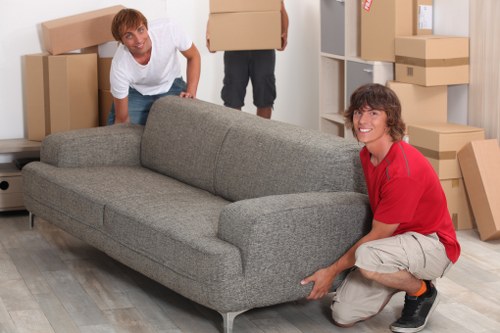
Choosing a Danish office removals team gives you practical advantages that are hard to replace. Local movers understand transport routes, building access, common office layouts, and the timing pressures that come with moving a business. That knowledge can make a real difference when your move needs to happen outside normal working hours, over a weekend, or in stages to avoid interrupting operations.
Many workplaces in Denmark include a mix of open-plan desks, private meeting rooms, storage areas, server cabinets, filing systems, and specialist equipment. A local moving company can plan the right crew size and vehicle type for the job, helping ensure that everything from office chairs to confidential archive boxes is handled with care. This matters even more for businesses that work with customer data, expensive devices, or delicate systems.
There is also a commercial benefit to using a team that knows the local area. If you are moving between parts of Greater Copenhagen, across Aarhus, from a city centre to an industrial zone, or between towns in Zealand, Jutland, or Funen, the route and access conditions influence the move. Local experience helps reduce avoidable delays and keeps the schedule realistic.
What Our Office Removal Service Can Include

Every office move is different, so the service is often tailored to the size of the business and the complexity of the relocation. Some customers need help with everything, while others only want transport on moving day. A strong office moving service should be flexible enough to support both.
Typical office relocation services may include:
- Pre-move planning and move-day coordination
- Packing of office contents, files, and equipment
- Secure handling of desks, chairs, and storage units
- Dismantling and reassembly of furniture where needed
- Transport of office items in suitable moving vehicles
- Careful movement of IT equipment and peripherals
- Removal of unwanted furniture or surplus items, if arranged
- Placement of items in designated rooms at the new premises
Some office removals also include support for internal moves, such as shifting departments within the same building, reorganising workstations, or moving archive rooms to another floor. This can be especially useful for larger companies, public-facing organisations, and shared office environments where work must continue while the move takes place.
Types of Offices and Workplaces We Move
From Small Studios to Multi-Department Premises
Office removals in Denmark are not limited to traditional corporate settings. Local customers include a wide range of workplaces, each with their own layout and moving needs. A reliable removal team should be comfortable handling different business environments without creating unnecessary disruption.
Common workplaces include:
- Small offices and private consultancies
- Creative studios and design agencies
- Legal, finance, and accounting firms
- Medical, therapy, and administrative offices
- Retail back offices and head offices
- Co-working spaces and shared work environments
- Warehouses with office sections
- Public sector and municipal workplaces
In Denmark, many businesses occupy a mix of older commercial buildings and newer developments. Some offices are based in central city properties with limited access, while others operate in business parks or mixed-use buildings with stricter loading rules. The best moving plan is one that takes the building, the furniture, and the workflow into account from the beginning.
Planning an Office Move Without Disrupting Work

For many businesses, the biggest concern is not the move itself but the downtime it could cause. Staff need to know what to pack, where items are going, and when systems will be back in place. Clients may still expect fast service. Internal deadlines still need to be met. That is why planning is such an important part of office moving in Denmark.
A practical office move plan often starts with a walkthrough or a detailed discussion about your workplace. This helps identify furniture counts, access points, parking options, lift availability, fragile equipment, and any items that need special attention. It is also the right time to decide whether the move should happen all at once or in phases.
For offices that cannot stop operating for a full day, phased moving can be the best option. This may involve moving non-essential items first, transferring departments one by one, or completing the move after business hours. A local office removals team can help structure the process so your business keeps running while the relocation is completed.
Common Challenges in Danish Office Removals
Access, Parking, and Building Rules

Moving an office in Denmark often involves more than simply loading boxes onto a truck. Certain buildings and neighbourhoods come with practical challenges that need to be handled properly. These issues are common in city centres, historic districts, and busy commercial streets.
Typical challenges include:
- Limited parking for moving vehicles
- Restricted loading times or dock access
- Lift reservations or size limits
- Narrow corridors and staircases
- Protected or older buildings with more careful handling needs
- Traffic congestion during peak hours
- Shared entrances with other businesses or residents
In Copenhagen, for example, inner-city logistics can be very different from a move in a business park outside the centre. In Aarhus, Odense, Aalborg, or smaller towns across Zealand and Jutland, access may be easier, but building rules and timing still matter. A local team with Danish moving experience can adapt to these realities and keep the move controlled.
How Office Removals in Denmark Usually Work
A Clear Step-by-Step Process
Most customers want a process that feels organised and easy to follow. A good office removals service should make the next steps clear from the beginning, so you know what happens before the move, on the day itself, and after arrival at the new premises.
A typical process may look like this:
- Initial discussion: You explain the size of the office, the locations involved, and the timing requirements.
- Assessment: The mover reviews access, furniture volume, packing needs, and any special items.
- Planning: A moving schedule is agreed, including who packs what and when the team arrives.
- Packing and preparation: Boxes, equipment, and furniture are organised in a structured way.
- Move day: Items are loaded, transported, and unloaded according to the plan.
- Placement and setup: Furniture and boxes are placed in the correct rooms or zones.
- Final checks: Any remaining items are confirmed, and the space is ready for use.
Some companies also need a hand with move labels, workstation numbering, or packing lists. These small details can save time when the office arrives in the new location and staff want to restart work quickly. The more organised the process, the easier the transition will be.
Preparing Your Business for the Move
Practical Steps Before Moving Day
Good preparation can reduce stress and make the relocation more efficient. Even if your movers handle the heavy lifting, your internal team still plays an important role. Clear communication helps avoid confusion and ensures that important items are packed, labelled, and moved correctly.
Preparation checklist for office customers:
- Assign a move coordinator or main contact person
- Make an inventory of desks, chairs, cabinets, and equipment
- Label boxes by department, room, or workstation
- Back up digital files and check important systems before the move
- Inform staff about packing deadlines and move-day procedures
- Identify any fragile, confidential, or high-value items
- Arrange building access, keys, passes, and parking permissions
- Clear walkways and ensure items do not block exits
It is also wise to set aside: chargers, laptops, essential documents, daily-use office supplies, and anything needed for the first working day after relocation. This prevents disruption and helps teams get back into routine more quickly once the move is complete.
Handling Office Furniture and Equipment Safely
Office furniture may not always seem delicate, but it still needs proper handling. Desks can be scratched, cabinets can be damaged if they are moved incorrectly, and chairs can become unstable if parts are not secured. The same is true for monitors, printers, phones, and other devices that may be used every day.
A professional moving team will know how to load items to reduce shifting during transport and how to protect surfaces, corners, and legs. For larger desks and storage units, dismantling can make the move safer and easier. Once at the new premises, those items can be reassembled in the right location, ready for use again.
If your office has specialist equipment, it is worth discussing this in advance. Server racks, multifunction machines, presentation screens, and technical workstations may require extra care. The aim is always to move these items in a way that protects both the hardware and the business operations that depend on it.
What Affects the Cost of Office Removals in Denmark?
Pricing Factors to Expect
Businesses often want to understand what shapes the cost of an office move before they request a quote. While exact pricing depends on the job, there are several common factors that influence the overall service cost.
Typical pricing factors include:
- The size of the office and amount of furniture
- How much packing and dismantling is required
- Distance between the old and new location
- Access conditions at both addresses
- Whether the move needs to happen out of hours
- Any specialist handling for IT or fragile items
- Whether disposal or furniture removal is included
- The amount of labour and vehicles needed
Businesses in central Copenhagen, Aarhus city, or other busy commercial areas may face different access conditions than offices in suburban or industrial locations. That does not necessarily mean the move is harder, but it does mean the planning needs to be accurate. A detailed quote is usually based on the specific requirements of your premises rather than a one-size-fits-all estimate.
Why Choose a Local Company for Office Moving
Better Coordination, Faster Response, and Local Knowledge
There are many reasons businesses prefer a local mover for office removals in Denmark. A nearby team can often provide better scheduling options, respond faster to changes, and offer more practical advice about the move itself. This is especially helpful when your relocation involves a tight deadline or multiple stages.
A local company also understands the business environments in Danish towns and cities. That includes access rules, traffic patterns, inner-city logistics, and the differences between office buildings, business parks, and mixed-use properties. This knowledge helps reduce avoidable stress and gives you a more realistic plan from the start.
Local knowledge is especially useful when moving in: Copenhagen, Frederiksberg, Hellerup, Aarhus, Vejle, Odense, Aalborg, Roskilde, Esbjerg, Kolding, and surrounding areas. Nearby suburbs and commuter towns can also be covered, depending on the route and the nature of the move.
Areas Covered Across Denmark
Office relocations are needed throughout Denmark, from busy urban centres to quieter suburban business areas. A service focused on local customers should be able to support both short-distance and cross-country moves, depending on the size and schedule of the job.
Areas commonly covered include:
- Greater Copenhagen and surrounding districts
- North Zealand and South Zealand business locations
- Aarhus and wider East Jutland
- Odense and central Funen
- Aalborg and North Jutland
- Southern Denmark, including key commercial towns
- Industrial areas, office parks, and mixed-use business zones
If your office is located in a place with restricted access, shared facilities, or a busy urban street, it is worth mentioning these details early. The right moving plan will depend on where the premises are, how the building is set up, and how much business equipment needs to be moved.
When to Book Your Office Removal
Timing Makes a Difference
It is best to start planning your office move as early as possible, especially if you need to relocate during a busy business period or want to keep downtime to a minimum. Early booking gives you more flexibility with dates and allows time to organise staff, equipment, and building access.
Some businesses book weeks in advance, while others need support at shorter notice due to lease deadlines, renovations, or operational changes. If your move is time-sensitive, say so early when you request a quote. That allows the team to assess what can be done and whether the move should be completed in one day, over several evenings, or in phases.
Contact us today to discuss your office move, and request a free quote based on your location, premises, and moving needs. If you already know your preferred moving window, it is a good idea to share it as soon as possible so availability can be checked.
Frequently Asked Questions About Office Removals in Denmark
Common Questions from Local Businesses
How far in advance should we arrange office removals?
The earlier the better, especially if you need a specific date, weekend work, or a phased move. Early planning also gives you time to prepare staff and inventory.
Can you move offices in busy city centres?
Yes, many moves happen in city centres, but access, parking, and timing need to be handled carefully. Narrow streets, loading zones, and lift bookings may all affect the plan.
Do we need to pack everything ourselves?
Not always. Some businesses prefer to pack their own boxes, while others need help with packing office contents, files, and equipment. The service can be adapted to suit your team.
Can office furniture be dismantled and rebuilt?
Yes, many desks, tables, shelving units, and storage systems can be dismantled for transport and reassembled at the new location if this is arranged in advance.
What about IT equipment and sensitive documents?
These items should be discussed before the move. IT equipment often needs extra care, and confidential documents should be handled according to your own internal procedures.
Do you handle commercial moves outside normal hours?
Many businesses prefer evenings, weekends, or phased schedules to reduce disruption. Availability depends on the move and the agreed plan.
What Makes a Good Office Move Experience
Reliability, Structure, and Clear Communication
A successful office removal is usually the result of good communication and careful coordination. The moving team should understand the layout of the old premises, the requirements of the new site, and the order in which items need to be moved. Just as important, your internal team should know what to expect and who is responsible for each stage.
A good experience often comes down to small things: labels that make sense, boxes that arrive in the correct department, furniture that is reassembled in the right place, and a schedule that allows business to resume without confusion. When those details are managed properly, the move feels much smoother.
For businesses across Denmark, that peace of mind is often the biggest value of all. You are not only moving items from one place to another; you are protecting working time, reducing disruption, and making sure the new office starts in an organised way.
Ready to Plan Your Office Removal?
Speak to a Local Team That Understands Business Moves
If you are preparing for Office Removals in Denmark, it helps to work with a mover that understands local buildings, transport conditions, and the practical demands of a business relocation. From small offices to larger commercial premises, a well-managed move can protect your equipment, support your staff, and reduce downtime.
Whether you are moving within the same town, across a city, or between regions, the right support makes the process easier to manage. You can ask about packing help, dismantling, phased moves, access planning, and transport for office furniture and equipment. The more information you share, the more accurate and useful the plan will be.
Book your service now or request a free quote to get started. If your business needs a reliable, practical office move with local knowledge and professional handling, now is the right time to make the arrangements.
Useful Reminders Before You Enquire
- Have your moving date or preferred date range ready
- Note the old and new addresses
- Estimate the size of the office and furniture list
- Share any access or parking restrictions
- Flag fragile, confidential, or specialist items
Moving Forward with Confidence
Office removals in Denmark should feel organised, practical, and suited to the way your business works. With the right planning and local support, you can move premises without unnecessary stress and get back to work in your new space with confidence.