House Removals in Denmark
If you are planning a move and need reliable house removals in Denmark, you are likely looking for more than just transport. You want a service that understands local streets, apartment layouts, ferry connections, parking rules, stairwells, and the practical realities of moving a household in Denmark. Whether you are relocating from a city apartment in Copenhagen, a family home in Aarhus, a townhouse in Odense, or a coastal property on Zealand, the right removal team can make the day smoother, safer, and far less stressful.
Moving house is rarely just about boxes. It can involve careful packing, dismantling furniture, protecting fragile items, coordinating access, and making sure everything arrives on time. For many people, the biggest concern is not the number of items being moved, but how to manage the move around Danish housing conditions, traffic, and the limited time often available on move-out day. That is where a local, experienced team becomes especially valuable.
Our approach to house removals Denmark is built around practical help, clear communication, and efficient handling of your belongings. From single-bedroom apartments to larger family homes, and from private households to smaller commercial relocations, the service is designed to support customers who want a well-organised move with less disruption to their day.
Why local house removals matter in Denmark

Denmark has a mix of housing types that can make moving more complicated than it first appears. In the major cities, many homes are in walk-up apartments, older buildings with narrow staircases, or modern developments with tight loading areas. In suburban and rural areas, houses may have long driveways, garden access limitations, or road layouts that require careful vehicle positioning. A local moving team understands these differences and can plan accordingly.
House removals in Denmark often require more than simply turning up with a van. Access times may be restricted in apartment blocks, parking may need to be arranged in advance, and some properties have challenging entry points for bulky items like wardrobes, mattresses, white goods, and sofas. A team that works regularly across Denmark will know how to adjust the approach for each property type.
Local knowledge also matters when time is tight. Danish customers often need a move completed around work schedules, school runs, tenancy handovers, or utility cut-off dates. A removal company that understands the local pace of life can help coordinate the day more efficiently and reduce the chance of delays.
What our house removal service can include
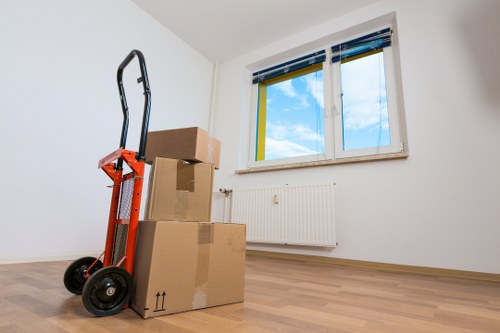
Every move is different, which is why it helps to choose a service that can be adapted to your home and your priorities. Some customers need a full-service move, while others only want support with heavy lifting and transport. The aim is to make the process easier in a way that suits your household.
Typical services connected to house removals in Denmark may include packing support, loading and unloading, furniture protection, dismantling and reassembly, and transportation between addresses. If you are moving from one Danish city to another, or from a home in Denmark to another destination, it helps to have a team that can manage the logistics professionally.
Depending on the move, the service can also cover fragile items, appliances, garden equipment, storage handover, and careful placement of boxes and furniture in the new property. Many customers appreciate having a single point of coordination rather than trying to arrange several different helpers.
Who we help

House removals are not only for families moving between detached homes. In Denmark, a broad range of customers need dependable moving support, including tenants, homeowners, landlords, property managers, and business owners. The right service should be flexible enough to serve each of these needs without making the process feel complicated.
We regularly support customers moving from apartments, townhouses, villas, terraced homes, and holiday properties. We also assist with small commercial moves where office items, archive boxes, display materials, or furniture need to be relocated carefully. That makes the service useful for people who are changing address, moving in together, downsizing, or relocating a home-based business.
For many customers, the challenge is not just the distance between addresses, but the amount of coordination involved. Packing children’s rooms, managing fragile items, moving bulky furniture, and making sure everything fits into the new space can become overwhelming. A structured removal service helps reduce that pressure.
Moving in Danish cities and towns
Denmark’s urban areas present particular moving challenges. In Copenhagen, for example, many residents live in apartments with stair access, limited curbside space, or courtyard entrances. In Aarhus, older buildings and busy city streets can make loading schedules important. Odense, Aalborg, Esbjerg, and other towns also have their own access conditions, parking limitations, and neighbourhood rules.
At the same time, moving in suburban or smaller-town settings can bring different considerations. Detached houses may have larger inventories, garages, sheds, garden furniture, and outdoor equipment. Rural roads and longer driveways may also affect how the moving vehicle is positioned and how items are carried from the property.
A local company experienced in house removals Denmark will take these details seriously. The aim is to reduce avoidable problems by planning the route, checking access, and preparing a realistic schedule that suits the property and the customer’s needs.
Why customers choose a local Danish removal team
Choosing a local moving company often brings practical benefits that matter on moving day. A team that works in Denmark every day is more likely to understand parking restrictions, access points, apartment building layouts, and the time needed for different types of properties. That kind of familiarity can make the process more efficient from start to finish.
Another advantage is communication. Customers usually want straightforward answers about what is included, how the move will be handled, what preparation is needed, and how the service fits around the move-in or move-out timeline. A local provider can usually offer a more tailored, realistic conversation rather than a one-size-fits-all approach.
There is also peace of mind in knowing that your move is being handled by people who understand the region. From busy city centres to quieter residential areas, house removals in Denmark are easier when the team knows how to work around local conditions and household expectations.
How the moving process works
1. Enquiry and planning
The process typically begins with an enquiry so that the removal team can understand the size of the move, the type of property, and any special items or access issues. This is the stage where you can explain whether you need full packing help, transport only, or support with heavier items.
Having clear information in advance helps create a smoother moving day. Details such as stairs, lift access, parking availability, long walking distances, or narrow entrances can all influence the plan. If you are moving between cities or from an apartment block with time restrictions, these points are especially important.
The more accurate the information, the easier it is to organise the move properly. That is why a good removal service will ask practical questions and not just focus on the volume of belongings.
2. Preparation and packing
Some customers prefer to pack everything themselves, while others want help with more delicate or time-consuming items. Either way, preparation is important. Good packing helps protect belongings and also makes unloading and placement at the new property much easier.
For house removals Denmark, it is wise to label boxes by room and note any fragile contents clearly. This can make a noticeable difference when moving into homes with multiple floors or limited storage space. If furniture needs dismantling, it helps to keep screws, fittings, and small parts organised in sealed bags.
At this stage, it is also useful to separate essentials you will need immediately after the move, such as documents, chargers, medication, basic kitchen items, and toiletries. A well-planned preparation phase often saves time later in the day.
3. Moving day loading and transport
On moving day, the removal team will usually begin by protecting items, loading them in a logical sequence, and making sure heavier furniture and fragile boxes are secured correctly in the vehicle. For households with awkward stair access or long carrying distances, this planning matters a great deal.
The transport phase is designed to keep your belongings stable and protected while moving between addresses. Whether the destination is nearby or in another part of Denmark, careful loading and driving are essential parts of a reliable moving service. A professional team will also consider timing around traffic, access windows, and handover appointments.
Customers often appreciate having the heavy lifting managed efficiently, especially when the move includes sofas, beds, wardrobes, appliances, or multiple sets of boxes. It reduces strain and helps keep the day under control.
4. Unloading and placement
When the vehicle arrives at the new address, unloading should be organised in a way that helps you settle in quickly. Many customers want boxes placed by room, furniture set in position, and larger items assembled if that is part of the agreed service. This makes it easier to begin unpacking without having to move everything twice.
If your property has stairs, basement storage, attic access, or a garage, it is useful to discuss those spaces in advance so that items can be directed properly. A good house removal service is not only about transporting belongings, but also about helping them arrive in the right place.
Contact us today if you want a move that feels organised from first lift to final placement. Book your service now if you already know your moving date and want to secure support for the day.
What to prepare before your move
A little preparation can make a big difference. Before moving day, it helps to clear pathways, confirm access arrangements, and sort out the belongings you want to take, store, sell, recycle, or dispose of. This is especially helpful in Denmark, where many homes have limited corridor space and shared entrances.
Below is a practical checklist for customers planning house removals in Denmark:
- Confirm the moving date and access times for both properties.
- Check parking arrangements near the home and building entrance.
- Pack and label boxes by room and content type.
- Separate valuables, documents, and daily essentials.
- Defrost and empty refrigerators and freezers in advance.
- Disconnect appliances safely if they are being moved.
- Dismantle furniture only if this has been agreed and documented properly.
- Protect floors and hallways where needed.
- Let neighbours or building managers know if access may be affected.
- Keep keys, utility details, and handover documents easy to reach.
For families with children or pets, it can also help to arrange a quiet room or temporary care during the busiest part of the move. The less disruption there is on the day, the easier it is to stay calm and organised.
Pricing factors to consider
Every move is different, so it is best to think in terms of the factors that influence the final quote rather than assuming one standard cost applies to all removals. A reputable company will usually assess the move based on practical details and the amount of work involved.
Common pricing factors for house removals Denmark include the size of the property, the total volume of belongings, the distance between addresses, access conditions, and whether packing, dismantling, or reassembly is needed. Stairs, lifts, parking limitations, and long carrying distances may also affect the overall labour required.
Special items can also matter. Heavy or delicate objects such as pianos, large mirrors, antiques, and certain appliances may require additional handling time or extra protection. If storage is needed between addresses, that will usually be discussed separately as well.
When requesting a quote, it is helpful to be as accurate as possible. That includes mentioning both the old and new property type, how many rooms are involved, and whether you need a full-service move or only transport and lifting support.
Residential and commercial moving support
Although this page focuses on house removals, many customers in Denmark also need a service that can extend beyond the home. Small commercial moves often use similar planning methods, just with different priorities. A home-based business, small office, studio, or consultation space may require careful relocation of furniture, files, equipment, and boxed materials.
That is why it helps to work with a team that can handle both household and light commercial relocations. It shows flexibility and makes the service more useful if your move involves mixed items. For example, you may be relocating from a home office in an apartment to a new property with a dedicated workspace, or moving a family home while also transferring business materials.
Whether the move is residential or commercial, the same core principles apply: careful handling, reliable timing, clear communication, and respect for the property at both ends of the journey.
Areas covered across Denmark
A strong local removal service should be able to support customers in many parts of Denmark, not just one city. The most useful service is one that works with different property types and distances, from urban relocations to moves between nearby towns and regions.
Typical areas may include Copenhagen and the surrounding areas, North Zealand, Roskilde, Frederiksberg, Hellerup, Aarhus, Randers, Aalborg, Odense, Esbjerg, Kolding, Vejle, and other nearby residential and business areas. Depending on the move, support may also extend to smaller towns, commuter areas, and coastal communities.
If you are planning house removals in Denmark and your route involves more than one city or region, it is helpful to choose a team that can coordinate transport efficiently and plan for local access conditions at both ends. That is especially important when moving around busy urban districts or properties with limited vehicle access.
Common challenges on move day
Move day rarely goes perfectly without preparation. The most common challenges are usually practical rather than dramatic: a blocked entrance, a missing parking space, a box that was packed too heavily, or a piece of furniture that needs dismantling unexpectedly. These problems can be managed more easily when the team has experience and the customer has shared key details in advance.
For many Danish homes, especially apartments and older properties, access can be the biggest issue. Staircases may be narrow, lifts may be too small for larger furniture, and shared entrances may have time restrictions or noise considerations. A local removal company understands these realities and can work around them professionally.
Another common challenge is simply underestimating how much time packing takes. It is often wiser to start early, label clearly, and set aside time for final checks before the moving team arrives. That way, the day can focus on transport and placement rather than last-minute packing.
Why proper handling matters for your belongings
Furniture, electronics, glassware, and everyday household goods all benefit from proper handling. During a move, items can be affected by vibration, weight, stacking pressure, and tight spaces. The right preparation and loading method can reduce the risk of damage significantly.
House removals in Denmark should be carried out with care at every stage, from moving items out of the property to unloading them into the new home. This is particularly important when dealing with wardrobes, dining tables, bed frames, washing machines, and other large household items that are difficult to replace or repair.
Good protection also helps preserve floors, walls, stair rails, and door frames. In rental properties especially, many customers want to avoid unnecessary marks or damage during the move-out process. Careful moving practices support that goal and help keep the handover process straightforward.
Frequently asked questions
How far in advance should I book a house move?
It is best to enquire as soon as you know your moving date. Many customers try to book early because popular dates can fill quickly, especially around month-end, school holidays, and summer periods. Early planning also gives you more time to prepare packing and access arrangements.
Can you help with apartments and homes with stairs?
Yes. Many moves in Denmark involve stair access, and that is a normal part of the service. It is important to mention stairs, lift size, and any carrying distance when requesting a quote so the move can be planned properly.
Do you handle fragile or bulky items?
Yes, most house removals can include fragile belongings and larger items, provided the details are shared in advance. This helps the team prepare suitable handling methods and protection for those items.
What if I only need transport and loading help?
That is often possible. Some customers need a full packing and removals service, while others only want help with the heavy lifting and transport. A flexible service can be tailored to the level of support you need.
Can you move items between different parts of Denmark?
Yes, moves between cities and regions are common. The practical details of the route, the property type, and the access conditions will help determine the best plan for the day.
How to choose the right removal company
When comparing moving providers, it helps to look for a company that asks the right questions and gives practical advice. The best choice is not always the one that sounds the fastest or simplest; it is the one that understands your property, your schedule, and the kind of support you actually need.
Before booking house removals Denmark, consider whether the company can explain its process clearly, handle your property type, and adapt to access issues. It is also useful to choose a team that is responsive, organised, and transparent about what information is needed for planning.
Some customers also want help with moving beyond the basics. If that applies to you, ask whether packing, dismantling, reassembly, or special-item handling can be included. A well-matched service should make your move easier rather than adding more decisions.
Final thoughts and next steps
Moving home in Denmark can be straightforward when the right support is in place. A well-run removal service helps you deal with the practical side of the move: access, lifting, transport, protection, and placement. It also gives you more time to focus on the personal side of the transition, such as settling into your new neighbourhood and getting your household ready.
Whether you are moving from a city apartment, a suburban family house, or a property in one of Denmark’s surrounding towns, the key is planning. The earlier you confirm your needs, the easier it is to choose the right level of support and avoid unnecessary stress on the day.
If you are preparing a move and want dependable house removals in Denmark, now is a good time to request a free quote and discuss the details of your move. Contact us today to arrange a service that fits your home, your timetable, and your local area. Book your service now and make your next move simpler from the start.
Helpful reminder before you book
Share accurate details about property access, stairs, parking, and the size of your household items. This helps create a smoother moving plan and makes it easier for the team to support you properly.
Ready to take the next step?
Request a free quote for your move and get the process started with clear, practical advice tailored to your Danish home or business move.